Answer: This guide highlights five reliable electric trolling motors that pair well with canoes, delivering quiet, efficient propulsion for anglers, explorers, and leisurely paddlers. The best picks balance lightweight design, corrosion resistance, and practical shaft lengths for canoe use. Each product is chosen for its suitability to small boats, including kayaks and canoes, with clear notes on who benefits most and where to consider limitations.
| Product | Thrust | Shaft | |
|---|---|---|---|
| Minn Kota Endura C2 Transom-Mount (30 Lb) | 30 Lb | 30 in. | Lightweight canoes and dinghies for quiet trolling |
| Newport NV-Series 36lb (12V) | 36 Lb | 30 in. | Smaller watercraft and calm-water paddlers |
| Newport NV-Series 55lb (12V) | 55 Lb | 30 in. | Need more power in larger canoes or choppier water |
| Newport Kayak Series 36lb (24″ Shaft) | 36 Lb | 24 in. | Kayaks and shallow-draft canoes with precise depth control |
| Saltwater Trolling Motor 56lb (Brushless) | 56 Lb | Not specified | Heavy-load canoe setups in saltwater or mixed conditions |
Minn Kota Endura C2 30 Lb Transom-Mount
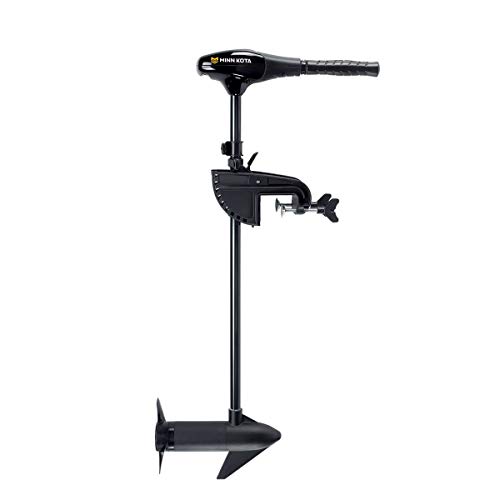
Best for lightweight canoes and smaller craft. The 30 Lb thrust provides steady propulsion without excessive weight on narrow transoms. The 30-inch shaft suits shallow-depth setups common on canoes. Features include a 6-inch telescoping tiller for comfortable all-day control and a push-to-test battery meter for quick status checks. The motor head uses a lever-lock bracket to adjust height and angle, while a reinforced composite body resists flexing and UV damage for marine durability. A Power Prop for heavy vegetation helps maintain forward momentum through cover. Suitable for anglers and casual cruisers who prioritize easy setup and reliable operation.
Caution: This model is optimized for lighter loads; expect reduced performance in strong currents or with heavier gear.
Newport NV-Series 36lb 12V Trolling Motor

Better for smaller vessels where battery life and weight matter. This 36 Lb thrust trolling motor is designed for kayaks, canoes, and small boats, offering quiet propulsion and corrosion-resistant construction for saltwater and freshwater use. It features a 12V system and a 30-inch shaft, with a LED battery indicator to monitor power levels. The two-blade propeller design emphasizes efficiency and runtime, making it a solid pick for light-to-moderate loads when you want reliable, steady motivation without extra bulk.
Best for anglers who prioritize portability and simple operation on calm to moderate water conditions.
Newport NV-Series 55lb Saltwater Transom Motor
Choose this for larger canoes or open-water scenarios requiring stronger thrust. The 55 Lb motor provides robust propulsion with a 30-inch shaft and a 6-inch telescoping tiller handle for precise steering. It includes a 3-blade propeller and adjustable mount to lock height, angle, and direction as needed. The motor is designed for trolling performance and can handle longer runs without overheating. A good choice for paddlers who frequently face wind, current, or heavier gear but want a compact, transom-mounted system.
Caution: Heavier feel and higher thrust can reduce battery life in extended trips; best for those with larger batteries or frequent use in challenging conditions.
BODIOO 55lb Trolling Motor For Kayaks And Small Boats

Best for those needing higher thrust in a kayak or small boat setup. This 55 Lb motor features an 8-speed system (5 forward, 3 reverse) and a 30-inch adjustable shaft with a 6-inch extendable handle for easy depth control and maneuverability. It includes a three-blade propeller for efficient propulsion and a low-noise profile suitable for light trolling and tracking. A suitable choice when you want stronger performance without upgrading to a larger watercraft motor.
Caution: The heavier thrust and longer shaft may require careful mounting to maintain balance on very light canoes or if weight distribution is uneven.
Buying Guide
What to consider when selecting an electric trolling motor for a canoe:
- Thrust needs: Choose 30–55 Lb for most canoes; go higher only if you regularly carry heavy gear or paddle into windy, choppy water.
- Shaft length: Shorter shafts (24–30 inches) suit shallow-water canoes; deeper shafts help in current but add weight.
- Mount type: Transom-mount motors are common for canoes; bow-mount options are less common but can offer different control.
- Power source: Most options are 12V; verify battery compatibility and expected runtime for your typical trips.
- Prop design: 2- or 3-blade props affect thrust, torque, and efficiency; heavier vegetation may benefit from a more robust prop.
- Durability: Look for corrosion-resistant materials and UV-stable housings for freshwater and saltwater use.
- Control features: Telescoping tillers and battery meters simplify day-long use; consider LED indicators for visibility at night.
Practical considerations for canoe use
- Weight distribution matters in canoes; ensure the motor’s weight does not compromise stability.
- Quiet operation minimizes fish spooking and preserves a natural experience on quiet waters.
- Battery management is essential; plan trips with power margins and have a plan for recharging.
FAQ
- Q: Is a higher thrust motor better for canoes? A: Higher thrust helps in wind and current, but adds weight and requires more battery power. Choose based on typical conditions and load.
- Q: Do these motors work in saltwater? A: Several listed models are saltwater-rated or suitable for both saltwater and freshwater use; verify the specific model’s hardware.
- Q: What shaft length should I choose for a canoe? A: For shallow water and low transoms, a 24–30 inch shaft is usually adequate; deeper water or tall paddler setups may benefit from longer shafts.
- Q: Do these motors require a special battery? A: Most are 12V systems, designed to work with common marine deep-cycle or AGM batteries; check the manufacturer’s guidance for compatible battery types and capacity.
- Q: Can I use a trolling motor for fishing in a canoe? A: Yes, many models are designed for trolling and quiet operation, which can be advantageous for fishing in calm to moderate conditions.