Instantly effective wood termite treatment options exist for both new construction and established structures. This guide highlights five top products, explaining who they’re best for, why they’re strong choices, and practical cautions. Each option targets termites, carpenter ants, and wood-destroying fungi with different application methods and coverage. The buyer types most served by these products include DIY homeowners, contractors, and property managers looking for ready-to-use solutions or deep-penetration treatments.
| Product | Best For | Application Type | Notes |
|---|---|---|---|
| Bora-Care Termiticide Insecticide and Fungicide Concentrate, 1 Gallon | New builds and existing homes needing deep wood protection | Wood treatment with 2-foot band application | Coverage approx. 800 sq ft per gallon |
| Nisus Tim-BOR Professional Insecticidal Dust | Hard-to-reach spaces and hidden voids | Dust, can be used in concealed areas | Versatile: dust, liquid, or foam options |
| Spectracide Terminate Termite Killing Foam | Voids, cracks, behind veneers, gaps | Foam aerosol for interior and exterior use | Kills termites on contact; also targets carpenter bees |
| PenaShield Penetrating Wood Preservative | Decks, attics, woodworking projects | Ready-to-use spray or brush-on | Discoloration-free after drying |
| Revenge Termite & Carpenter Ant Killer, 32 oz | Outdoor perimeter control and lawn/landscape areas | Concentrate for trenching and soil barrier | Long-lasting barrier up to several years |
Bora-Care Termiticide Insecticide and Fungicide Concentrate

- Best For: Deep wood protection in new and existing structures.
- Why Selected: Bora-Care penetrates wood fibers to prevent termites, wood-boring beetles, carpenter ants, and decay fungi with long-lasting protection.
- How It Works: Applied directly to wood surfaces with a 2-foot band treatment; may reduce need for soil treatments.
- Caution: Requires careful surface drying before exposure to moisture; follow label directions for surface prep.
Nisus Tim-BOR Professional Insecticidal Dust

- Best For: Hidden voids and deep penetration in wood and framing areas.
- Why Selected: Offers multiple application modes (dust, liquid, foam) for flexible treatment options and long-lasting control.
- How It Works: Penetrates wood surfaces and protected spaces to prevent and remediate key wood-destroying insects.
- Caution: Ensure proper personal protective equipment when applying powder in enclosed spaces; avoid staining finished surfaces.
Bora-Care Termiticide Insecticide and Fungicide Concentrate (Second Listing)

- Best For: Comprehensive wood protection in both new and existing constructions.
- Why Selected: Reiterates fast, easy wood surface application with strong protective lifetime claim for wood structures.
- How It Works: 2-foot band treatment to facilitate whole-house protection against termites and dry wood termites.
- Caution: Concentrate should be handled with standard pesticide safety practices; avoid mixing with incompatible materials.
Spectracide Terminate Termite Killing Foam
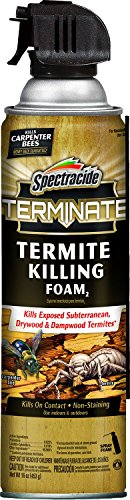
- Best For: Voids, behind veneers, and other hard-to-reach areas.
- What It Delivers: Foam expands into cracks, channels, and hidden spaces to contact termites on contact.
- How It Works: Also effective against carpenter bees by treating active tunnels they create.
- Caution: Do not rely solely on foam for invasive termite infestations; larger infestations may require comprehensive treatment plans.
PenaShield Penetrating Wood Preservative

- Best For: Decks, attics, and woodworking projects needing deep protection.
- Why Selected: Ready-to-use formula penetrates deeply without discoloring wood, offering years of indoor protection.
- How It Works: Borate-based solution that protects against termites, carpenter ants, wood-boring beetles, and decay fungi.
- Caution: Surface may require final finishing after drying; ensure proper ventilation during application.
Buying Guide: Wood Termite Treatment Considerations
When choosing a wood termite treatment product, consider the environment, infestation level, and accessibility of treated areas. The following questions can guide your decision:
- What is the main target: termites in wood, hidden infestations, or exterior perimeter control?
- Is the project new construction, a remodel, or an existing structure requiring interior treatment?
- Do you need deep-penetration protection or a surface-ready, ready-to-use formula?
- Are there concerns about staining or discoloration on wood surfaces?
- How important is ease of application and coverage area?
Key Comparisons
- Deep wood protection: Bora-Care concentrates excel at deep penetration for long-lasting containment inside wood fibers.
- Hidden spaces: Tim-BOR dust can reach concealed cavities where termites and fungi thrive.
- Foam delivery: Spectracide Terminate Foam is ideal for gaps, voids, and behind veneers with rapid contact action.
- Ready-to-use simplicity: PenaShield offers straightforward application without mixing, with minimal risk of staining.
- Outdoor barrier systems: Revenge Termite & Carpenter Ant Killer targets outdoor perimeters for longer-term protection.
Quick Tips for Safe and Effective Use
FAQ
- Q: Which product is best for new construction? A: Bora-Care concentrates provide deep protection during the dried-in phase for whole-house termite defense.
- Q: Can I use these indoors without staining wood? A: PenaShield is designed to dry without discoloration; others may discolor if misapplied on finished surfaces.
- Q: Are dust formulations safer for electronics and hidden areas? A: Dust formulations like Tim-BOR can treat hidden voids but require careful access and PPE.
- Q: Do these products create long-lasting termite barriers outdoors? A: Some products like Revenge Termite & Carpenter Ant Killer create soil barriers with multi-year protection when used as directed.
- Q: Should I hire a pro for termite treatment? A: For extensive infestations or structural concerns, professional assessment and treatment are recommended.
- Q: Are there any combinations of indoor and outdoor products recommended? A: A combination approach—indoor wood treatment plus outdoor perimeter protection—can provide comprehensive coverage depending on infestation risk.