This guide highlights top plastic bottle recycling containers designed to help households and workplaces sort recyclables efficiently. The best options balance capacity, durability, ease of use, and clear visual cues for bottle and can recycling. The selections below target buyers seeking stackable, easy-to-empty, and clearly labeled containers for bottles, cans, and mixed recyclables. Ideal buyers include families looking to streamline kitchen waste, offices needing under-desk or open-area solutions, and classrooms seeking durable, easy-to-clean receptacles. A quick comparison table follows to help you decide at a glance.
Selected products at a glance
| Product | Capacity | Best For |
|---|---|---|
| Rubbermaid Slim Jim Plastic Rectangular Recycling Bin | 23 gallons | Kitchens, classrooms, and back-of-house areas needing vented liners |
| efluky Recycling Bin for Kitchen (100L) | 26 gallons | Large households and multi-room sorting with inner bags |
| iEGrow Recycling Bin for Kitchen (29 Gallon, 110L) | 29 gallons | Organized sorting with dual inner bags |
| Magicheap Recycling Bin (100L) | 26 gallons | Heavy-duty, waterproof, indoor/outdoor versatility |
| PLASTIC PRINCE 23 Gallon Slim Trash Can | 23 gallons | Slim, space-saving can with bottle/can slots in lid |
Rubbermaid Slim Jim Recycling Bin with Venting Channels

Best for high-traffic kitchens and classrooms that require efficient liner changes. The 23-gallon blue bin uses venting channels to ease removal of liners by up to 80%, reducing strain during routine bag changes in busy areas. Four bag cinches securely hold liners around the rim to prevent sag and knotting, improving productivity and reducing mess. This option supports clear “recycle” signaling with its blue color and recycling symbol, making bottle and can sorting straightforward for users of all ages.
Who it’s best for: spaces where quick bag changes matter—schools, cafeterias, and office lunchrooms. Why selected: the venting channels and cinches address common pain points in large, frequent-use bins. Caution: frequent use can wear vent channels over time; ensure liners are compatible with the cinches to avoid tear points.
efluky 100L Recycling Bin With Inner Bags

Best for large households and multi-room sorting needs, offering two removable inner bags for easy rotation of contents. The 26-gallon capacity accommodates a high volume of bottles, cans, and plastics, making it suitable for busy kitchens, living rooms, or garages. The lid and bamboo handle design adds a stylish, eco-conscious touch while the Oxford cloth and bamboo basket construction keeps the unit lightweight yet sturdy. The inner bags are washable and reusable, helping reduce ongoing consumable costs.
Who it’s best for: homes prioritizing separate inner-bag sorting and a lightweight, natural-material aesthetic. Why selected: dual inner bags simplify sorting and disposal with minimal disruption. Caution: inner bags may require regular cleaning to prevent odor buildup in high-use areas.
iEGrow 29 Gallon Indoor Recycling Bin

Best for large collections of recyclables in kitchens, pantries, garages, and utility rooms. The 110L capacity is matched with dual removable inner bags, enabling efficient separation of bottles, cans, glass, and plastics. Its fold-flat capability means it can be stored away when not in use, making it suitable for apartments, dorms, or spaces where storage matters. The sturdy frame and easy-to-clean surface support frequent handling in busy environments.
Who it’s best for: households needing organized sorting plus space-saving storage. Why selected: dual bags and a robust, foldable design offer flexible use in varied spaces. Caution: assembly may require careful alignment of the support rods to maintain stability when fully loaded.
Magicheap 100L Oxford Fabric Recycling Bin
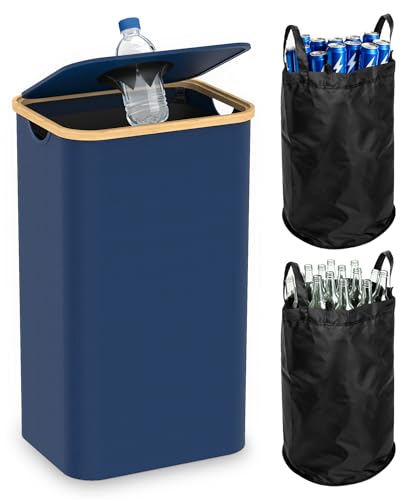
Best for flexible spaces where a foldable, weatherproof option matters. This 26-gallon (100L) bin uses Oxford fabric with a waterproof PE coating to handle moisture and light outdoor exposure. It ships with inner bags and a fold-flat design that stores to a shallow profile when not in use. It is well-suited for garages, patios, laundry rooms, and indoor use where a lightweight, portable bin is advantageous.
Who it’s best for: environments requiring moisture resistance and easy storage. Why selected: waterproof fabric helps protect contents and surroundings from leaks, while the fold-flat design supports compact storage. Caution: fabric-based bins may be less rigid than hard plastics under heavy loads; avoid overfilling to preserve shape.
PLASTIC PRINCE 23 Gallon Slim Trash Can

Best for tight spaces needing high-capacity sorting with a bottle/can-focused lid. The 23-gallon slim design fits under counters or in narrow hallways, maximizing capacity without intruding on floor space. A lid with slots supports quick separation of bottles and cans, encouraging consistent recycling habits in kitchens and small offices. This durable, commercial-grade container is designed to withstand busy environments while maintaining a clean look.
Who it’s best for: spaces constrained by width but requiring substantial volume. Why selected: the dedicated bottle/can slots in the lid streamline sorting and reduce cross-contamination. Caution: Slim form factor may limit placement options in areas with unusual layouts; ensure enough clearance for lid opening in tight spaces.
Buying Guide: Key Considerations For Plastic Bottle Recycling Containers
- Capacity versus space: How much you recycle weekly and how much floor or counter space you can dedicate. Larger units reduce trips to bins outside but require more room.
- Outer material and durability: Plastic bins can dent or crack with heavy use. Consider reinforced rims, impact-resistant shells, and whether a fabric or inner-bag approach better suits your space.
- Vinyl liners and inner bags: Removable inner bags simplify maintenance. Look for bags that are washable, reusable, and compatible with the bin’s rim or cinches.
- Lid design and sorting cues: Lids with separate slots or clearly marked color coding help users sort bottles, cans, and plastics effectively and reduce contamination.
- Mobility and placement: Under-desk and open-area designs differ in mobility. Lightweight or foldable bins are ideal for apartments or rooms with flexible layout needs.
- Cleaning and hygiene: Materials that are easy to wipe down or hose off help keep areas sanitary, especially in kitchens and classrooms.
- Multi-bin sets versus single bins: For households or offices with distinct recyclable streams, multi-bin systems with labels reduce confusion and improve waste separation.
Practical tips for choosing
- Choose a color and symbol that clearly signals bottle and can recycling to all users.
- Prefer bins with sturdy rims and secure cinches to prevent liner slippage and leaks.
- When space is limited, prioritize slim designs that maximize capacity without crowding the area.
FAQ
- Q: Which bin is best for a busy kitchen with kids? A: A bin with a vented liner system and clear labeling, such as the Rubbermaid Slim Jim, helps kids separate recyclables quickly and safely.
- Q: Do inner bags count as a separate recycling step? A: Inner bags simplify sorting and disposal but ensure they are removable and easy to clean to avoid odor buildup.
- Q: Is a foldable bin suitable for apartment living? A: Yes, fold-flat designs like the iEGrow bin offer convenient storage when not in use and fit in smaller spaces.
- Q: What should I consider for under-sink placement? A: Choose a slim, durable bin that fits under your sink and has a lid or controlled opening to minimize odors and splashes.
- Q: How important is lid design for bottle recycling? A: A lid with dedicated slots or compartments helps maintain separation and reduces contamination between bottles and other recyclables.
- Q: Can these bins handle outdoor use? A: Some options use waterproof fabrics or rugged plastics; check product descriptions for moisture resistance and intended environments.