Finding the right rafter-to-ridge beam connector is essential for a sturdy roof frame. This guide highlights five reliable options suited for common residential framing. Each product targets different project needs—from simple rafter locking to high-wind environments. The top choices are best for DIY builders, professional roofers, and remodelers seeking dependable connections without complicated cuts.
| Product | Best For | Why It Stands Out |
|---|---|---|
| Simpson Strong-Tie RR RR Galvanized Ridge Rafter Connector for 2×6 | Standard 2×6 rafters | Interlocking top flange for alignment; easier and stronger than toenailing or screws |
| AOKLIT 30 Pack Hurricane Ties | Weather-resistant, high-load applications | Heavy-duty 18-gauge galvanized ties designed to endure challenging conditions |
| Simpson Strong-Tie H2.5AZ ZMAX Hurricane Tie | Wind/Uplift resistance | High uplift capacity with corrosion-resistant ZMAX coating |
| Simpson Strong-Tie VPA2 Variable-Pitch Connector | Variable roof slopes | Adjusts to 3:12–12:12, avoids notching or bevels |
| 4 Pcs Joist Anchor Connector (CDFYJHFDQ) | Beam-to-post links and seismic-ready framing | High-strength galvanized steel with easy installation |
What to expect: Each option serves different roof-framing scenarios, from standard ridge connections to hurricane-grade ties. Consider rafter size, slope, climate, and installation preferences when choosing a connector. The following sections detail five suitable picks with clear pros, limits, and ideal buyers.
Simpson Strong-Tie RR Ridge Rafter Connector for 2×6

The RR ridge rafter connector offers a top flange that interlocks when used in pairs, helping rafters stay aligned. It’s described as easier and stronger than toenailing or screw fastening and is designed for rafter slopes up to 30 degrees. This makes it a straightforward choice for typical residential roofs with standard 2×6 framing. Best for: homeowners and contractors building or upgrading standard rafters that require reliable alignment without complex cuts. Limitation: not ideal for very steep slopes or specialty engineered trusses where nonstandard angles are common.
AOKLIT Hurricane Ties, 30 Pack

These 18-gauge galvanized hurricane ties are designed for strong, reliable support where rafters connect to joists. The kit includes 30 pieces, accommodating multiple connection points across a roof. Best for: projects in windy or seismic zones where extra uplift resistance is needed. Limitation: not a single, ridge-to-rafter connector—best used as part of a comprehensive framing system.
Simpson Strong-Tie RR RR Galvanized Ridge Rafter Connector for 2×6
This product repeats the essential ridge rafter connection with galvanization for durability and a top-flange design that interlocks when paired. It supports rafters up to 30° and aims to keep rafters correctly aligned during fastening, reducing the risk of misalignment over the roof span. Best for: builders wanting a proven, straightforward ridge connection for standard residential framing. Limitation: same general use as the first RR option—consider alternatives if you need adjustable pitches.
Simpson Strong-Tie VPA2 Variable-Pitch Connector

This adjustable connector attaches rafters to wall top plates and adjusts in the field to accommodate slopes from 3:12 to 12:12. It enables framing layout simplification without notch cuts and provides reliable load transfer. Best for: crews working with varied roof pitches or nonstandard framing where precise bevels are impractical. Limitation: the wide applicability may come with more complex installation for beginners.
4 Pcs Joist Anchor Connector by CDFYJHFDQ
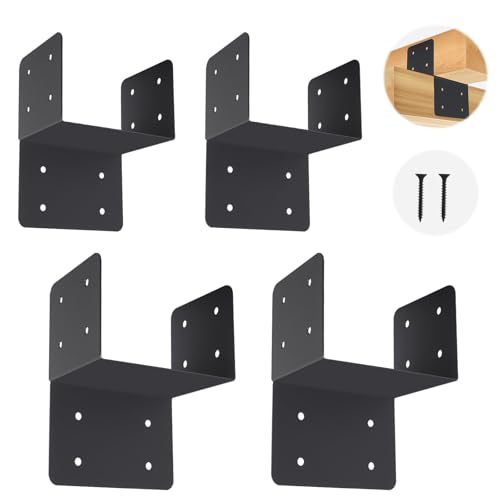
The Joist Anchor Connector set uses high-strength galvanized steel designed to connect beams to posts and foundations. It emphasizes easy installation with pre-drilled holes for fastening. Best for: structural framing that requires strong post-to-beam connections and seismic resistance. Limitation: primarily a beam-to-post solution, not a dedicated ridge-rafters connector; pair with rafters where needed for a complete system.
Buying Guide: Key Considerations For Rafter-To-Ridge And Related Connectors
- Roof pitch compatibility: Choose a connector rated for the typical rafters’ slope, or one with adjustable pitch to handle multiple angles.
- Uplift and lateral loads: In high-wind or seismic areas, prioritize hurricane ties or heavy-duty galvanized connectors with higher uplift ratings.
- Material and corrosion resistance: Galvanized or ZMAX-coated finishes improve longevity in humid or treated-wood environments.
- Installation ease: Some connectors interlock or require minimal notching, which can reduce framing time and mistakes.
- Compatibility with rafter sizes: Verify that the connector supports common sizes like 2×6 and 2×4 as used in typical residential roofs.
- System completeness: For best performance, combine ridge-to-rafter connectors with appropriate hurricane ties and post-to-beam connectors where needed.
Frequently Asked Questions
- What is a ridge rafter connector used for?
It anchors rafters to the ridge beam or ridge line, helping maintain alignment and transfer loads safely along the roof span.
- Which connector is best for high-wind roofs?
Hurricane ties and ZMAX-coated options, such as the H2.5AZ, are designed for improved uplift resistance and corrosion protection.
- Can I use these connectors with 2×4 or 2×6 rafters?
Yes, many options are compatible with standard 2×6 or 2×4 framing; always verify product specs for size compatibility.
- Do adjustable connectors require special tools?
Some adjustable models reduce the need for precise bevel cuts but may require basic framing tools and fasteners appropriate to the connector.
- Are there limitations to using hurricane ties alone?
Hurricane ties strengthen connections at the rafter-to-joist level; for ridge connections, combine with ridge-specific connectors for best results.
- Which connector offers the easiest installation?
Connectors with interlocking flanges and pre-drilled holes typically offer faster, more straightforward installation.