Looking for an affordable, space-saving way to boost your TV audio with solid bass? This guide focuses on soundbars that include built-in subwoofers, delivering deep lows without a separate subwoofer. Each option targets a different buyer type—from compact apartment setups to home theater enthusiasts—so you can pick the right match for your room, budget, and listening preferences.
| Product | Brand | Best For |
|---|---|---|
| Samsung HW B400F | Samsung | Small living rooms, simple remote control |
| Amazon Fire TV Soundbar Plus | Amazon | Streaming lovers, easy setup |
| BESTISAN 2.1 Sound Bar | BESTISAN | Balanced sound with customizable DSP modes |
| ULTIMEA Poseidon M60 | ULTIMEA | Full 5.1 experience in a compact bar |
| SAMSUNG HW-S50B/ZA | Samsung | Samsung ecosystem users, virtual surround |
Samsung HW B400F 2.0ch Soundbar With Built-In Subwoofer

Best for: compact rooms where a simple setup and integrated bass are prioritized. The built-in woofer provides balanced lows without needing an external sub. It supports expanded sound and room-filling audio, while a single remote can control key functions through compatible Samsung TVs.
Why selected: This model emphasizes a straightforward, space-efficient design with a dedicated bass channel. It suits buyers who want richer sound from a slim chassis and value TV remote integration for convenience.
Caution: If you regularly watch very bass-heavy content or play music at high volumes, you might notice limited ultra-low extension compared with a larger external subwoofer.
Amazon Fire TV Soundbar Plus (Newest Model) With Built-In Subwoofer

Best for: streaming fans who want a simple all-in-one setup with built-in bass and clear dialogue. The bar includes Dolby Atmos and DTS:X support in a compact package, along with a dedicated center channel for clearer speech.
Why selected: It blends smart TV features with immersive sound, making it ideal for living rooms where streaming apps are frequently used. It’s a good choice when you want an all-in-one solution without a separate subwoofer.
Caution: Some users may prefer a larger sub for very deep bass in large rooms or for music-centric listening sessions.
BESTISAN 2.1ch Sound Bar With Built-In Subwoofer

Best for: users seeking a robust, adjustable sound profile with multiple EQ modes and strong bass from the built-in sub. It supports HDMI ARC/Optical and has Bluetooth, making it flexible for TVs, PCs, and gaming setups.
Why selected: The three DSP modes—Movie, Music, and Dialogue—let you tailor listening to the content. The built-in subwoofer provides a fuller bass experience without extra hardware.
Caution: Although consumer-friendly, the subwoofer is built-in, so extreme bass needs in large rooms may feel limited compared to larger, standalone subwoofers.
ULTIMEA Poseidon M60 5.1CH Surround Sound Bar

Best for: buyers aiming for a closer-to-theater surround experience in a compact package. The 5.1 channel system includes multiple drivers and a wired subwoofer for impactful bass and wide soundstage.
Why selected: It combines Dolby Atmos with dedicated subwoofer support and advanced DSP to deliver wide surround and clear dialogues, suitable for movies and gaming in midsize rooms.
Caution: Setup takes a bit longer than simple all-in-one bars, and the USB/aux connections should be considered if you rely on legacy devices.
SAMSUNG HW-S50B/ZA 3.0ch All-in-One Soundbar
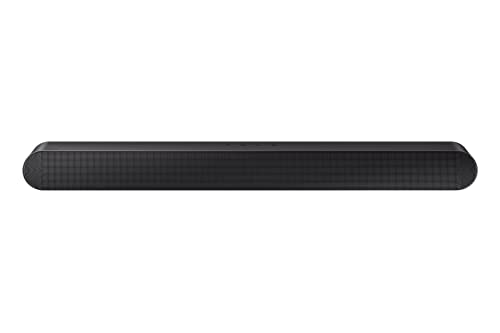
Best for: Samsung ecosystem owners who want a slim, stylish all-in-one soundbar with built-in center channel and adaptive sound features. The package includes Dolby Digital 5.1 and DTS Virtual:X for a broader listening experience.
Why selected: The integrated center speaker helps clarity in dialogue-heavy scenes, while Q-Symphony compatibility with Samsung TVs can enhance overall sync and immersion.
Caution: The all-in-one design may not satisfy users who require a very deep sub-bass for bass-forward music or large home theaters.
Buying Guide
What to consider when choosing a built-in-subwoofer soundbar
- Room size and listening goals: Smaller rooms benefit from compact bars with built-in subs, while larger spaces may still feel bass-light without a separate sub.
- Soundbar channels and virtual vs real surround: Look for 2.0/2.1 for basic bass, 3.1 or 5.1 configurations for more immersive effects. Dolby Atmos or DTS:X add height effects but may require compatible content and TV features.
- Connectivity: ARC or HDMI eARC is preferred for TV control. Include Optical, USB, Bluetooth, and compatibility with your devices (gaming consoles, streaming devices, PCs).
- Remote control and TV integration: Some models offer one-remote control via your Samsung TV or universal remotes. This simplifies operation in daily use.
- Speaker placement and aesthetics: Consider whether the soundbar will sit on a TV stand or wall-mount, and whether its size matches your TV and room decor.
- Dialogue clarity vs. bass emphasis: Models with dedicated center channels or Voice Enhancer DSP help with spoken words during dialog-heavy scenes.
How to compare options quickly
- Best for compact spaces: Samsung HW B400F and BESTISAN 2.1 offer strong built-in bass in slim profiles.
- Best for streaming and smart features: Amazon Fire TV Soundbar Plus integrates built-in subwoofers with streaming capabilities.
- Best for full surround in a tight setup: ULTIMEA Poseidon M60 provides a 5.1 experience with a dedicated sub and multiple drivers.
- Best for Samsung ecosystem: Samsung HW-S50B/ZA emphasizes Q-Symphony and seamless TV pairing for synchronized audio.
FAQ
- Do built-in subwoofers require extra space? Generally, no; most built-in subs are designed to work in compact bars, but room size can affect bass performance.
- Will these soundbars work with non-Samsung TVs? Yes, most connect via HDMI ARC/Optical or Bluetooth; compatibility depends on your TV inputs.
- Is Dolby Atmos available on all built-in-sub models? Not all; some offer Atmos or DTS:X, while others provide strong bass with standard surround formats.
- Can I use these soundbars for gaming? Yes, many support low-latency DSP or enhanced game modes, but you should verify input lag specs for your setup.
- Is a separate subwoofer necessary for deeper bass? Not necessarily, but for very deep bass in large rooms or music-centric use, an external sub can still help.
- What is the advantage of a built-in sub vs external? Built-in subs save space, reduce cable clutter, and simplify setup; external subs can offer deeper bass in large spaces.