Looking for an acoustic guitar that adds a distinctive resonator voice to your playing? This guide highlights five resonator-equipped acoustic-electric options, each suited to different needs—beginners, live performers, and players seeking classic blues and bluegrass tones. The selections emphasize built-in electronics, playability, and reliable tone. Use the quick reference table to compare key traits at a glance.
| Product | Best For | Key Benefit |
|---|---|---|
| Pyle Resophonic Resonator Acoustic Electric Guitar | Beginner to intermediate; gigging | Built-in preamp for amplified play |
| Gosila Resonator Electric Guitar | Lessons and rehearsals | Full kit with preamp and solid build |
| Pyle Electro Resophonic Acoustic Electric Guitar Set | Home practice to stage | Complete set with case and accessories |
| Gretsch G9200 Boxcar Round-Neck | Classic blues/folk | Traditional resonator design with mahogany |
| NOYEEOENY 40-Inch Resonator Guitar | Beginner to intermediate on a budget | Single spider cone for focused tone |
Note: All prices and availability are subject to change. Each product is chosen for its resonator sound, build quality, and practical value for American players exploring blues, bluegrass, or folk styles.
Pyle Resophonic Resonator Acoustic Electric Guitar

The Pyle Resophonic offers a traditional round-neck resonator design with mahogany construction and a built-in preamplifier. This model is best for players who want a ready-to-play setup for live or studio use without additional gear. The built-in electronics simplify amplified performances, making it a solid choice for beginners transitioning to stage work.
Who it’s best for: Beginners or players seeking a budget-friendly, all-in-one kit for practice and small gigs. Why selected: Combines resonator tone with an integrated preamp and included accessories for a complete starter setup.
Caution: The preamp controls are basic; advanced tone shaping may require external pedals or a dedicated amp EQ for nuanced live tones.
Gosila Resonator Electric Guitar

Gosila’s resonator is built as an all-in-one electric-acoustic kit with a preamp and tone controls, plus a Sapele body for warm resonance. This guitar suits players who want a sturdy instrument for lessons, rehearsals, and performances without extra gear. The diecast tuners support stable tuning and long-term reliability.
Who it’s best for: Players who value a complete kit for practice and performances, with a focus on warm, loud resonator tones. Why selected: Combines a traditional resonator voice with a preamp and a robust body material for stage-ready sound.
Caution: The decorative color and matte finish may appeal aesthetically but offer no extra tonal advantage over standard finishes.
Pyle Electro Resophonic Acoustic Electric Guitar Set

This full-size, round-neck resonator from Pyle includes a gig bag, spare strings, strap, picks, and a built-in preamp. It’s designed for players seeking an all-in-one package for practice and small performances. The bright finish and mahogany construction contribute to a traditional resonator aesthetic and tone.
Who it’s best for: Players wanting a complete beginner-to-intermediate kit with amplified options. Why selected: The bundled components reduce setup friction for new players and performers alike.
Caution: Like many budget resonators, it may require future upgrades for advanced stage use or more customizable tone control.
Gretsch G9200 Boxcar Round-Neck

The Gretsch G9200 Boxcar combines a mahogany body and a Padauk fingerboard with an acoustic round-neck resonator design. This instrument is favored by players seeking a classic blues and folk voice with the warmth of traditional resonator construction. The natural finish highlights the wood tones for on-stage presence.
Who it’s best for: Players pursuing a traditional blues/folk resonator sound with a preferred rounded neck feel. Why selected: The classic resonator voicing is preserved, while a mahogany top offers warm projection.
Caution: Some players may prefer a heavier or lighter neck depending on playing style; try before buying if possible to ensure comfort.
NOYEEOENY 40-Inch Resonator Guitar
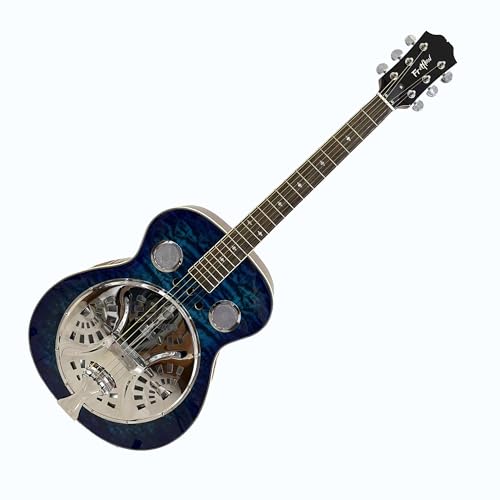
NOYEEOENY offers a 40-inch resonator with a spruce top and sapele body paired with an okoume neck and rosewood fingerboard. The spider cone design emphasizes a focused, loud projection, suitable for players exploring blues, bluegrass, and country tones. The combination is targeted at those who want a straightforward, affordable resonator with classic inbuilt resonance.
Who it’s best for: Beginners or mid-level players seeking a focused, bright resonator voice without paying for premium materials. Why selected: The spider-cone design and compact scale deliver reliable resonance and ease of playability for its price point.
Caution: This model emphasizes a single-resonator design; for players seeking a broader tonal palette, consider models with multiple pickup/tone options or different body woods.
Buying Guide
What should I look for in a resonator guitar?
Key factors include the body wood, cone design, and neck feel. Mahogany bodies typically provide warmth and sustain, while spruce tops offer brightness. For amplified playing, a built-in preamp or pickup simplifies stage use. A comfortable neck profile matters for long practice sessions.
Should I choose a guitar with built-in electronics?
Yes if you plan to perform live or record with amplified sound. Built-in preamps with tone controls help shape your on-stage voice without extra pedals. If you mainly play unplugged, you can save money with a simpler, non-electrified model.
How important is the cone design?
A spider cone or metal cone influences projection and tone character. A spider cone tends to deliver a focused bite and brighter attack, while a traditional metal cone provides the classic resonator growl preferred by blues players.
What about neck and playability?
Narrower necks can be easier for beginners, while wider necks may benefit players with fingerpicking styles. Check action and string tension, especially for beginners who may need lighter gauges or setup adjustments.
What materials affect tone the most?
Body wood (mahogany vs. sapele), top wood (spruce vs. solid vs. plywood), and fingerboard material all shape resonance and sustain. For a bright, cutting resonator tone, spruce tops and lighter woods help; for a warmer, rounded voice, mahogany and darker woods excel.
What’s a reasonable budget approach?
Entry-level resonators with built-in electronics offer immediate value, while premium models emphasize nuanced sustain and projection. Start with a kit if you’re new, then upgrade components as your playing goals become clearer.
Frequently Asked Questions
- What is a resonator guitar? Answer: A guitar that uses a resonator cone to amplify the sound, producing a louder, distinctive blues/bluegrass tone.
- Do I need an amplifier for a resonator guitar with a pickup? Answer: Yes if you want amplified sound. The pickup routes through a amp or PA system.
- Which wood is best for blues-style resonator tone? Answer: Mahogany bodies provide warmth and sustain ideal for blues; spruce tops add brightness for clear projection.
- Is a built-in preamp necessary? Answer: Not essential, but it makes live performance and stage setup more convenient.
- What is a spider cone vs. a traditional cone? Answer: A spider cone is a single metal cone design that yields focused, loud tone; traditional cones offer classic resonator timbre.
- Are resonator guitars good for beginners? Answer: Yes, especially models with lighter strings and comfortable necks; they provide a distinctive starting voice and grow with the player.