Choosing an effective fire retardant for wooden surfaces helps slow flame spread and reduce smoke, protecting homes, offices, and workshops. This guide highlights five reliable products designed to treat wood and other porous materials, including sprays, paints, and additives that comply with recognized standards. Each option offers different application methods, coverage, and safety profiles, so readers can compare for DIY projects or professional installs. Below is a quick overview of the selected products to kick off your selection process.
| Product | Brand | Form | Key Benefit |
|---|---|---|---|
| Master Flame – Class A Fire Retardant | Master FX, Inc. | Liquid (1 gal) | Strong NFPA/ASTM certifications for wood and fabrics |
| DRI-ONE Fire Retardant Spray | DRI-ONE | Spray (Class A) | Proven, non-toxic protection with quick readiness |
| Master Flame – Fire Retardant Spray | Master FX, Inc. | Liquid (5 gal) | Wide-area, spray-on application with Class A rating |
| INSL-X FR110099-01 INS-LX | INSL-X | Paint | Low VOC formula with smoke and flame spread reduction |
| Flamecheck M-111PA | Flamecheck Simply Safer | Paint additive (8 oz) | Easy to mix into latex paints for added fire resistance |
Master Flame Class A Fire Retardant — 1 Gallon

Master Flame’s Class A fire retardant is designed for porous substrates such as wood, fabrics, and paper, providing a tested barrier against flame spread. The formula aligns with NFPA 255 and ASTM E84 standards, and it’s suitable for use on wood surfaces commonly found in homes and workshops. The product is formulated to be absorbed and bond with treated materials, helping to reduce ignition risk while maintaining material integrity after application.
DRI-ONE Fire Retardant Spray — Class A

DRI-ONE’s spray is a well-known, family-owned option designed for fabric, wood, theater curtains, and similar porous materials. Its formula bonds to substrates, enabling subsequent painting or staining without removal of the retardant. It is advertised as ready to use with no mixing, dries clear, and aims to limit flame spread while reducing smoke, making it a flexible choice for both interiors and smaller projects.
Master Flame Fire Retardant Spray — 5 Gallon
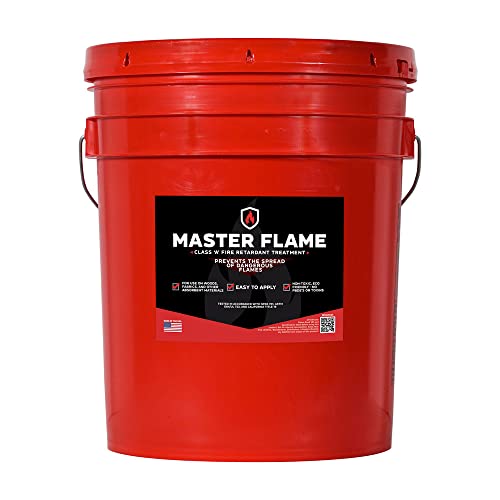
This larger-volume option from Master Flame is suited for projects requiring broader coverage. With spray-on capability, the product maintains Class A ratings for wood, fabrics, and other absorbent materials, aligned with NFPA 255, 701, and ASTM E 84 evaluations. It enables efficient application across larger wooden structures or panels, helping protect spaces without sacrificing material appearance.
INSL-X FR110099-01 INS-LX Fire Retardant Paint

INSL-X FR110099-01 INS-LX Fire Retardant Paint provides a high-performance, low-VOC formula that slows fire and smoke spread. This option is designed for coating surfaces to maximize flame resistance while maintaining lower environmental impact. It is appropriate for use on wood and other porous substrates where a durable finish is desired after fire-retardant treatment.
Flamecheck M-111PA Fire Retardant Paint Additive
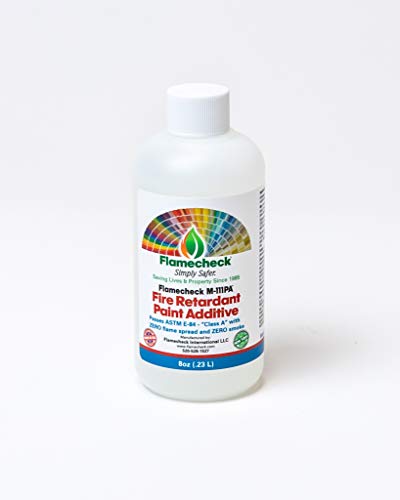
Flamecheck M-111PA is a non-toxic additive designed to be mixed into interior or exterior latex paint. The recommended usage is one 8-ounce bottle per gallon of paint, enabling easy enhancement of existing coatings. The additive is advertised as ASTM E-84 tested with zero smoke and zero flame spread on non-flammable substrates, offering a practical option for DIY refinishing projects where a traditional paint is already in use.
Buying Guide
Key factors to consider when selecting wood fire retardants include (1) fire rating and applicable standards, such as NFPA 255, ASTM E84, and NFPA 701; (2) substrate compatibility, ensuring the product adheres well to wood, fabrics, or composites; (3) application method and coverage, deciding between spray, paint, or additive that aligns with project size and tooling; (4) VOC and environmental impact, especially for indoor use; (5) durability and reapplication needs, including how long protection lasts under real-world conditions; (6) aesthetic effects, such as minimal color change or finish compatibility with stains and paints; and (7) safety and handling requirements, including washability and cure times.
When comparing products, consider whether you need a ready-to-use spray for quick coverage or a paint system for long-term surface protection. Spray-on options often deliver rapid treatment for larger areas, while paints and additives may offer deeper integration with the substrate and compatibility with finishing coats. For spaces requiring ongoing occupancy, opt for products with low VOC formulations and clear, dry-to-the-touch periods. Always follow manufacturer instructions for surface preparation, batch mixing (if applicable), curing times, and reapplication schedules to maintain effective fire resistance.