Finding quality left-handed guitars can be challenging, but these rare picks are designed to suit left-handed players with clear, practical details. This guide highlights five hand-optimized options, each selected for a specific use case—from beginners seeking complete kits to players wanting reliable acoustic or electric tones. Read on to identify the best fit for your playing style, whether you perform folk, rock, or practice at home.
Buyer overview table (quick reference)
| Product | Brand | Best For |
|---|---|---|
| Fender Left-Handed Acoustic Guitar CD-60S | Fender | Beginner or student folk and country players |
| DONNER DST-80 Left-Handed Electric Guitar Kit | Donner | Absolute beginners seeking an all-in-one kit |
| Vangoa Left Handed Guitar 41 Inch | Vangoa | Progressing players who want a full-size acoustic |
| Donner Left Handed Acoustic Guitar Kit DAG-1CL | Donner | Beginner to intermediate players needing a complete bundle |
| Ibanez AEG70L Left-Handed Acoustic-Electric | Ibanez | Acoustic-electric versatility for stage or practice |
Fender Left-Handed Acoustic Guitar CD-60S

The left-handed Fender CD-60S features a dreadnought body with a warm, bold bass response suited for country, folk, and bluegrass. It uses a solid spruce top with scalloped X-bracing, mahogany back and sides, mahogany neck, and a walnut fingerboard for a deep, satisfying acoustic voice. Best for players who want a reliable, affordable entry into left-handed acoustics with classic Fender tone.
Who it’s best for: beginners or students who prefer a traditional acoustic with a strong, balanced projection and a comfortable playing feel. Caution: as a basic model, it doesn’t include built-in electronics, so consider an external pickup if amplification is needed.
DONNER DST-80 Left-Handed Electric Guitar Kit
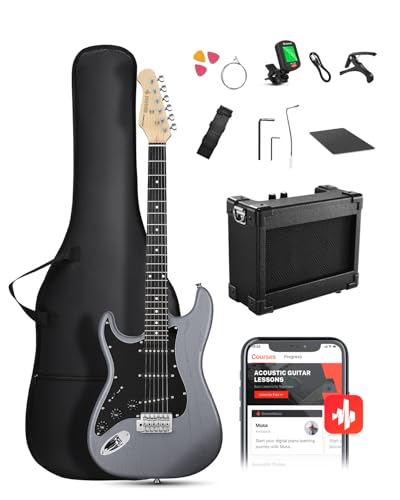
This left-handed 39” electric guitar kit comes with a 5W practice amplifier, gig bag, tuner, capo, strap, extra strings, and access to free online lessons. It’s designed for beginners who want to start playing quickly and stay motivated with an all-in-one package. Best for learners building foundational technique and enjoying immediate practice sessions.
Who it’s best for: new players seeking a full starter kit with straightforward setup. Caution: the included amp is compact; consider upgrading later if louder practice or performance is planned.
Vangoa Left Handed Guitar (41 Inch)

This 41-inch full-size left-handed acoustic features a Sitka spruce top with Sapele back and sides for a bright, balanced tone with clear sustain. The upgraded X-bracing and a thinner polyester finish help preserve resonance while providing durability. Best for players who want a robust acoustic that translates well in practice rooms and small stages.
Who it’s best for: developing players seeking a sturdy build with improved resonance and a comfortable playing experience. Caution: as a budget-friendly option, it may not offer premium onboard electronics or deluxe cosmetics.
Donner Left Handed Acoustic Guitar Kit DAG-1CL

DONNER’s DAG-1CL is a complete left-handed acoustic package featuring a spruce top, laminated mahogany back and sides with scalloped X bracing for durability and resonance. The 41-inch dreadnought cutaway profile increases fret access, making it a strong choice for beginners and intermediate players who want a well-rounded acoustic with easy playability.
Who it’s best for: players starting out or upgrading to a larger body with accessible frets. Caution: laminated woods are cost-effective but may not deliver the same sonic richness as solid woods in all tonal scenarios.
Ibanez AEG70L Left-Handed Acoustic-Electric

The Ibanez AEG70L blends a compact, balanced acoustic voice with built-in electronics for performance settings. It features a walnut fingerboard and a tiger burst finish. Best for players who need stage-ready versatility, combining comfortable playability with reliable amplified sound.
Who it’s best for: players who perform live or record with a need for a ready-to-use pickup and onboard tone shaping. Caution: mid-range electronics may require occasional setup adjustments for optimal live sound at different venues.
Buying Guide: Key Considerations For Left-Handed Guitars
What body style fits your playing style?
Acoustic left-handed models come in various body shapes—dreadnoughts emphasize bold bass and volume, while concert and auditorium shapes offer balanced mids and comfort. For electric kits, a thinner body may reduce fatigue during long practice sessions.
What about woods and tone?
Solid woods tend to offer richer, evolving tones with better projection, but laminated tops or backs can be more durable and cost-effective. Consider spruce or cedar tops for different brightness levels, and mahogany or sapele back sides for warmth and sustain.
Electronics and amplification needs
Electro-acoustic options let you plug in for performances or recordings. If you don’t plan to amplify, a basic acoustic is sufficient. When choosing a model with electronics, check the type of pickup, preamp, and battery life expectations.
Left-handed playability and setup
Left-handed guitars must feel comfortable in the fretting hand. Look for a neck profile (C-shaped or slim) and fretboard width that suit your grip. Some beginner kits include setup tools and guides—these can shorten the learning curve.
Included accessories and overall value
Beginner kits with gig bags, tuners, straps, and extra strings save time and money. Compare the total package to see which set provides essential gear without unnecessary extras.
FAQ
- Are left-handed guitars rarer than right-handed models? Yes, but several brands offer robust left-handed options, including stock models and beginner kits designed for left-handed players.
- Is a kit guitar a good first purchase for a beginner? A complete kit is often convenient for new players, providing essential accessories and a smoother start with less shopping time.
- What should I consider when choosing an acoustic-electric left-handed guitar? Look for a reliable pickup, easy tone control, battery life, and whether the onboard electronics suit your performance needs.
- How important is wood type for beginner guitars? Wood affects tone and durability. Solid woods sound richer but can cost more; laminated woods are durable and budget-friendly, suitable for beginners.
- Can I upgrade components later? Yes. You can upgrade pickups, tuners, and electronics as you grow, but starting with a solid foundation helps.
- How do I know which guitar is best for me? Consider your playing level, preferred genre, whether you need a kit, and whether you plan to amplify your guitar.