Finding a compact zero turn mower that can handle tight spaces starts with understanding deck size and engine power. This guide highlights five strong options in the 24-HP range and similar compact footprints, focusing on maneuverability, durability, and ease of maintenance. It’s ideal for homeowners with small to medium yards, slopes, or obstacles where a full-size mower would struggle. The table below summarizes which mower suits which use case, helping you compare at a glance before reading detailed specs.
| Product | Best For |
|---|---|
| Husqvarna Z254F 54 in. 23 HP Kawasaki | Yards with mixed terrain requiring deep deck airflow |
| Husqvarna Special Edition Z242F (42″) | Small-to-midsized lawns with tight turns |
| EGO POWER+ Z6 Zero Turn | Battery-powered mowing with longer run time |
| Craftsman 46″ Gas Zero-Turn | Budget-friendly, versatile gas option |
| Husqvarna MZ61 61″ | Larger yards where a bigger deck helps finish quickly |
Husqvarna Z254F 54 in. 23 HP Kawasaki Zero Hydrostatic Turn Riding Mower
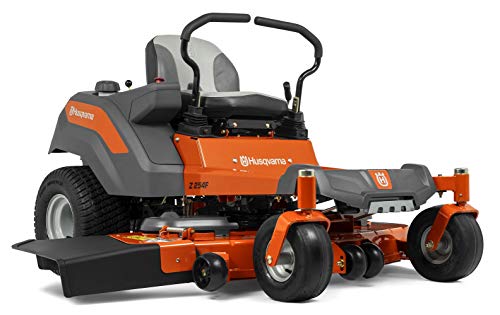
The Husqvarna Z254F pairs a 23 HP Kawasaki engine with a 54-inch ClearCut deck for fast, even mowing across mid-to-large yards. The hydrostatic, maintenance-free transmission reduces operator effort in variable conditions. This model is best for buyers who want serious cutting capacity without sacrificing ease of use, especially in lawns with mixed terrain and need for robust bagging. Caution: larger deck may be less maneuverable in very tight spaces.
Why choose this for you?
- Best for: Medium to large yards and users who value power and coverage.
- Why selected: Deep deck design and strong airflow support efficient bagging and cut quality.
- Limitation: Wider deck requires more turning space than smaller models.
Husqvarna Special Edition Z242F (42″) 21.5HP Kawasaki Zero Turn Mower

The Z242F 42-inch model emphasizes nimble handling and a compact footprint, ideal for small to mid-sized lawns with obstacles. Its 21.5 HP Kawasaki engine and a welded 42-inch deck are designed for dependable performance and easy maintenance. Best for homeowners who prioritize tight turning radius and precise mowing around trees or garden beds. Caution: Smaller deck may require more passes on thick growth.
Who should buy this?
- Best for: Small to mid-sized yards with obstacles and tight turning needs.
- Why selected: Lightweight, maneuverable, and reliable Kawasaki power.
- Limitation: Not ideal for very tall or dense grass where a wider deck excels.
EGO POWER+ Z6 Zero Turn Riding Lawn Mower, 42″ Deck

The EGO Z6 is a battery-powered solution that delivers up to six 56V ARC Lithium batteries, offering the equivalent power of a gas mower with zero-emission operation. It can mow up to about 1.5 acres per charge under favorable conditions. This model is best for buyers seeking a quieter, maintenance-light option and who have access to charging opportunities. Caution: Battery-dependent performance can vary with temperature and terrain.
Who should buy this?
- Best for: Eco-conscious buyers and those who want lower ongoing maintenance and emissions.
- Why selected: High battery capacity and suspension system promote a smoother cut on slopes.
- Limitation: Requires charging time and battery management between uses.
Craftsman 46″ Gas Zero-Turn Riding Lawn Mower

The Craftsman 46″ option uses a 22 HP Kohler engine and a dual hydrostatic transmission for smooth, efficient mowing across varied terrain. The rugged 46-inch stamped steel deck handles quite a bit of grass, and the optional mulching kit helps return nutrients to soil. This model is best for budget-conscious buyers who still want reliable power and decent deck width. Caution: It’s not as fast as larger commercial-grade models.
Who should buy this?
- Best for: Budget-minded homeowners needing solid performance with a mid-sized deck.
- Why selected: Combines a strong engine with dual transmission for dependable mowing.
- Limitation: Lacks some premium features found in higher-end variants.
Buying Guide
Deck size comparison and power level are the core considerations. For small yards with lots of obstacles, a 42″ to 46″ deck can offer superior maneuverability, while a 54″ deck speeds up larger, open areas. Engine power matters for thick or damp grass; higher horsepower generally delivers cleaner cuts with fewer passes. Transmission type influences maintenance and ease of use; hydrostatic transmissions are common on residential zero-turns for smooth operation. Battery-powered options, like the EGO Z6, provide zero-emission mowing and quiet operation but require battery management and charging time.
Key questions to guide your choice:
- What is my yard size and terrain complexity? Smaller yards with obstacles benefit from tighter decks.
- Do I prefer gas or electric propulsion? Gas offers long-running power; electric provides low maintenance and emissions-free mowing.
- How important is bagging vs. mulching? Large yards may benefit from deep deck airflow, while mulching returns nutrients.
- Is deck width a priority for finished look and time savings? Larger decks finish quicker on wide, open lawns.
- What is my budget and maintenance tolerance? Higher-end models may offer durability and comfort features.
Frequently Asked Questions
- What is a zero turn mower? A zero turn mower uses independent wheel drive systems to pivot tightly, enabling sharp turns and precise mowing around obstacles.
- Which deck size is best for small yards? 42″ to 46″ decks balance maneuverability and cutting width for tight spaces.
- Are battery-powered mowers as powerful as gas? Modern battery mowers can match power in many conditions but may require more frequent charging for large lawns.
- What maintenance does a hydrostatic transmission require? Regular oil checks and following manufacturer guidelines keep performance smooth without frequent service.
- Is mulching better than bagging? Mulching returns nutrients to soil, while bagging collects clippings for neat, ready-to-use lawns; choose based on yard needs.
- Can I operate these mowers on slopes? Yes, but choose models with a robust roll-over protection system (ROPS) and balanced weight distribution for safety.