The best gray silicone roof coatings provide dependable waterproofing, UV resistance, and long-term durability for a variety of roof types. This guide targets homeowners, RV owners, and commercial property managers looking for reliable, low-maintenance solutions. Each product below is suited to specific roof materials and climate needs, with clear reasons to choose or avoid based on the data provided.
| Product | Brand | Best For | Notes |
|---|---|---|---|
| GacoRoof Gray Silicone Roof Coating | Primesource Building Products Inc | General flat or pitched roofs, DIY projects | Versatile 1 gal size; good for small to mid patches |
| Countryman Coatings Silicone Top Coat | Countryman Coatings | RV rubber roofs and multiple substrates | No primer required in many cases; high reflectivity |
| Countryman Coatings Silicone Top Coat (4.75 gal) | Countryman Coatings | Larger roof areas with silicone compatibility | Similar features at larger quantity; energy savings noted |
| Liquid Rubber Color Roof Sealant | Liquid Rubber | Flat, low-slope, or metal roofs | Professional-grade; high elongation; multiple coats often needed |
| Marlin Coatings Silicone Roof Sealant (1 gal) | Marlin Coatings | RV, campers, trailers; various roof types | Single-coat application; long-lasting waterproofing |
GacoRoof Gray Silicone Roof Coating — 1 gal

Best for small to mid-sized roof repairs on varied substrates. GacoFlex GacoRoof is a gray silicone coating designed for durability and water resistance on roofs that experience ponding water. It’s suitable for DIY projects and can be applied to metal, asphalt, or built-up roofs depending on compatibility. This product is particularly well-suited for shoppers seeking a straightforward, single-source silicone solution for patching leaks and extending roof life. Caution: verify substrate compatibility before application to avoid adhesion issues on unfamiliar surfaces.
Countryman Coatings Silicone Top Coat — 1 gal

This one is best for RV rubber roofs and surfaces needing high reflectivity and adhesion without primer in most cases. Countryman Coatings emphasizes energy savings due to nearly 90% UV reflectivity, making it suitable for structures where cooling costs matter. It’s a versatile top coat that bonds across many roof types, including metal and single-pply membranes. Caution: ensure at least a light cleaning and dry surface, as some substrates may benefit from a primer depending on age and condition.
Countryman Coatings Silicone Top Coat — 4.75 gal

Choose this larger container for bigger roof projects where a silicone system is appropriate. It offers similar adhesion and energy benefits as the 1-gallon version, with the advantage of fewer bulk purchases for ongoing maintenance. Best for facilities or long-term RV park installations where a durable, reflective coating is helpful. Limitation: larger quantities require careful storage and thorough coverage planning to avoid waste.
Liquid Rubber Color Roof Sealant — 5 gal
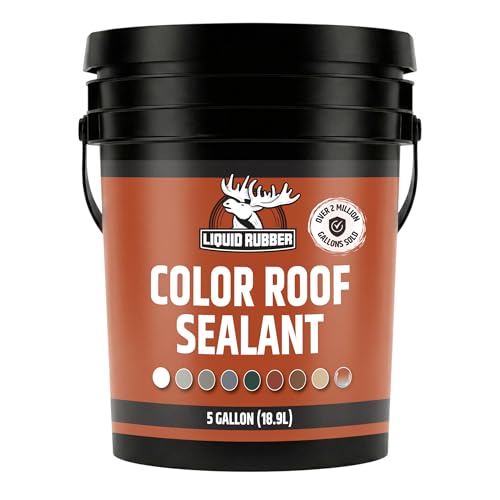
Best for flat, low-slope, and metal roofs needing a sturdy, flexible membrane. Liquid Rubber creates a seamless coating with high elongation to accommodate roof movement. It often requires multiple coats to build the membrane and full cure may take 24–48 hours. Best for larger flat roof projects and metal surfaces where a robust, long-term waterproof layer is needed. Consider scheduling recoats if building movement or weather exposure is significant.
Marlin Coatings Silicone Roof Sealant — 1 gal

Best for RVs, campers, trailers, and commercial buildings requiring a single-coat silicone solution. Marlin emphasizes a one-coat application and complete waterproofing with flexible, UV-stable protection. This makes it attractive for rapid repairs or new installations where time savings matter. Limitation: some larger or complex roofs may still benefit from additional coats or professional guidance for optimal coverage.
Buying Guide: Key Considerations for Gray Silicone Roof Coatings
- Roof type compatibility: Flat, low-slope, metal, EPDM, PVC, TPO, or built-up roofs each respond differently to coatings. Check substrate compatibility and whether primers are recommended.
- Application method: Some products are suitable for brush, roller, or spray; others specify one-coat systems. Consider your equipment and project size when choosing.
- Reflectivity and energy savings: Higher reflectivity reduces heat absorption. Look for products with UV reflectivity in the 80–90% range for greater energy efficiency.
- Cure time and rainfall window: Drying times affect scheduling and exposure to weather. Plan applications during dry spells and watch for dew or rain risks.
- Elongation and flexibility: High elongation prevents cracking from roof movement. This is crucial for metal and single-pply roofs prone to expansion and contraction.
- Coating thickness and coats: Some systems require multiple coats to build a complete membrane. Follow manufacturer guidance for optimal performance.
- Primer requirements: Some formulations claim no primer is needed; verify substrate age and type to ensure adhesion.
Frequently Asked Questions
- Q: Are gray silicone roof coatings suitable for all climates? A: They perform well in many climates, especially where UV exposure and ponding water are concerns, but verify substrate compatibility and wind resistance in your area.
- Q: Do I need to prime before applying silicone roof coatings? A: Many Countryman Coatings products claim no primer is required in most situations, but some surfaces or aged roofs may benefit from primer.
- Q: How long does a silicone roof coating last? A: Lifespan depends on substrate, climate, and maintenance; proper cleanup and cure allow for long-term waterproofing, but consult product guidelines for expected durations.
- Q: Can I use these coatings on metal roofs? A: Yes, many options are compatible with metal roofs, offering flexibility and UV protection. Always confirm specific metal substrates and coatings compatibility.
- Q: Is one coat enough for large roofs? A: Some products are advertised as single-coat solutions, but larger roofs may still require multiple coats or additional passes to ensure full coverage.
- Q: Do gray coatings show dirt or staining more than white? A: Gray coatings can show dirt more than white in some environments; reflectivity and maintenance practices influence appearance over time.