Expanded metal sheets offer strength, durability, and versatile airflow for grills, fencing, and DIY builds. This guide highlights five top options that balance rigidity, edge quality, and affordable sizing. Each product is suited for different needs—whether you’re building a smoker tray, a protective screen, or a heavy-duty grill grate.
| Product | Best For | Why It Stands Out |
|---|---|---|
| Gisafai 7 Gauge 1″ x 1/2″ | Heavy-duty grills and smokers | Large 48×24 size; sturdy carbon steel; versatile cutting options |
| 2PCS Steel Expanded Metal Sheet 48×24 (11 Gauge) — Kerty | DIY grills and outdoor projects | Two panels, sturdy 0.12″ thick, 0.5″x1″ mesh; heat resistant |
| Gisafai 9 Gauge 24×12 (2 Pieces) | Compact, modular grill setups | Smaller panels; two-piece set; durable carbon steel |
| 2PCS 48×32 Expanded Metal Sheet (11 Gauge) — Kerty | Large DIY builds and smoker trays | Two large panels; robust 0.12″ steel; wide surface |
| National Hardware N301-606 3-Pack | Ventilation and guard applications | 3-pack 24×24; 3/4″ grid; strong hot-rolled steel |
Gisafai 7 Gauge 1″ x 1/2″ Expanded Metal Sheet

Best for heavy-duty grilling and security-minded repairs. This 7-gauge carbon steel sheet comes in a generous 48 x 24 inch size, allowing you to cover large grill areas or cut to fit specific projects. The heavy-duty build provides rigidity for long-lasting use in smokers and grill setups.
Best for: grill builders and backyard chefs who need a robust, cut-to-size sheet that can take heat and resist rust with proper care. Limitation: edges may be sharp after cutting, so handling protection is recommended.
2PCS Steel Expanded Metal Sheet Flattened 48×24 (11 Gauge) — Kerty

Better for large DIY projects, outdoor grills, and smoker components. Each panel is 48 x 24 inches, made from 11-gauge cold-rolled steel with 0.5″ x 1″ diamond mesh. The two-pack setup provides ample material for multiple applications, and the 3mm thick structure helps maintain flatness under heat or weight.
Best for: users needing ample material with good heat resistance and a balanced airflow-to-support ratio. Caution: ensure proper edge handling due to initial sharpness after cut.
Gisafai 9 Gauge Steel Expanded Metal Sheet (2 Pieces, 24×12)

Strong, compact options for modular grill work or small smoker trays. This set includes two 24 x 12 inch pieces of 9-gauge carbon steel, suitable for cutting to fit tight spaces while maintaining rigidity for heavy-duty use. The material is described as rust-resistant with proper care.
Best for: builders who want smaller, easy-to-handle panels that still deliver structural integrity. Limitation: sharp edges may appear after cutting; wear protective gloves when trimming.
2PCS 48×32 Expanded Metal Sheet (11 Gauge) — Kerty

Choose this when you need a larger surface area for robust projects like larger smoker trays or grill grates. Each panel is 48 x 32 inches, made from 11-gauge cold-rolled steel with a 0.5″ x 1″ diamond mesh. The solid, heat-resistant construction helps resist warping under heavy use.
Best for: heavy-duty outdoor builds and long-lasting grill components. Caution: heavier panels require proper support during installation.
National Hardware N301-606 Expanded Metal Sheet (3-Pack)
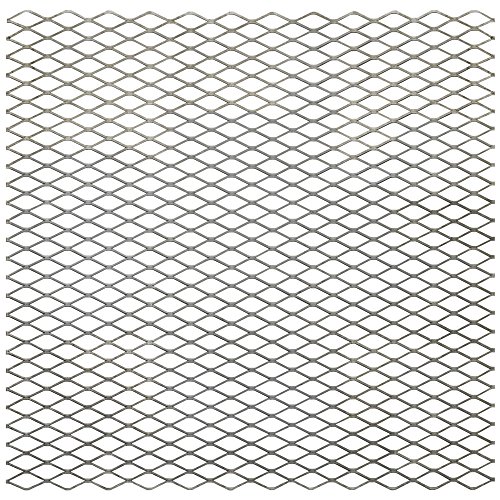
Best for multiple installations or replacement guards. This three-pack features a 3/4 inch grid in 24 x 24 inch pieces, constructed from 13-gauge hot-rolled steel. The kit provides strong screen protection and is suitable for industrial-style guards and ventilation applications.
Best for: projects requiring consistent grid size and a ready supply of panels. Limitation: hot-rolled steel may require finishing to prevent surface corrosion in certain environments.
Buying Guide
- Material and gauge: Heavier gauges (lower gauge numbers) offer greater strength and load-bearing capacity. Carbon steel sheets are common for grills and smokers, while hot-rolled steel adds stiffness for industrial uses.
- Mesh size and pattern: Diamond openings like 0.5″ x 1″ balance airflow with food support. Larger openings improve airflow but may reduce support; smaller openings provide more surface for food but can heat unevenly.
- Sheet size and handling: Larger panels (e.g., 48×32) cover more area but are heavier to handle. Consider cutting plans and whether you have the tools to trim edges safely.
- Edge quality: Look for deburred or flattened edges if you need a smooth finishing surface. This reduces the risk of cuts during installation and handling.
- Intended environment: For outdoor use, consider rust resistance and copper-free formulations. Pre-finished or coated options may resist corrosion better in humid climates.
- Installation approach: Decide whether you’ll weld, bolt, or simply rest the panel on support structures. Your choice affects thickness, edge conditions, and support requirements.
- Budget and project scale: Multi-pack options often reduce per-panel cost and are ideal for large projects, while single panels suit small repairs or specific replacements.
FAQ
- What gauge is best for grill grates? For heavy-duty grilling and smoker trays, 11- to 9-gauge sheets offer strong support and durability, especially in larger areas.
- Are these sheets safe for food contact? Cold-rolled steel is commonly used after seasoning or protective treatment. Always follow food safety practices and ensure any coating or finish is suitable for cooking surfaces.
- Do these sheets require finishing to prevent rust? Carbon steel can rust if untreated; consider seasoning, coating, or galvanizing if used in wet environments.
- Can I cut these sheets at home? Yes, with appropriate metal-cutting tools and safety gear. Expect sharp edges; flattening or deburring edges after cutting helps.
- Which size should I choose? Choose based on your project footprint. Larger panels reduce seams but increase weight; smaller panels are easier to handle but may require more joints.
- Are there any safety cautions? Always wear gloves and eye protection when handling cut edges, and ensure proper support to avoid warping or injury during installation.