The best lightest road bike stems balance weight, strength, and fit for your handlebars. This guide highlights five ultra‑light stems that suit road, gravel, MTB, and mixed‑terrain bikes. Each pick is evaluated for weight, build quality, and how it affects handling. Ideal buyers include weight‑conscious riders, endurance cyclists, and anyone upgrading a bike for quicker handling. The following options emphasize lightweight aluminum, precise machining, and reliable clamping. Use the quick reference table to compare basic specs at a glance.
| Product | Length | Weight | Best For |
|---|---|---|---|
| FOMTOR 60mm 7° | 60 mm | 115 g | Road/MTB with compact fit |
| FOMTOR 70mm 7° | 70 mm | 110 g | Longer reach, light weight |
| WAKE 45mm | 45 mm | 130 g | Short reach, versatile riders |
| FOMTOR 90mm 7° | 90 mm | 120 g | Moderate reach, stiff ride |
| Azarxis 80mm | 80 mm | ~ | Balanced weight and reach |
FOMTOR 60mm 7° Light-Weight Stem

Angle: +/- 7 Degree. Handlebar diameter 31.8 mm; front fork stem diameter 28.6 mm. Length: 60 mm. Weight: 115 g. Made from CNC machined 6061 T6 aluminum alloy. Best for riders who want a compact, stiff stem without adding weight. Suitable for road bikes and mountain bikes that need a quick cockpit upgrade.
Who it’s best for: cyclists prioritizing ultra‑light weight in a shorter stem for precise steering on climbs or tight trails. Why selected: a strong aluminum design with a slim profile helps reduce overall bike weight and improves balance when switching to aggressive riding positions.
Caution: the shorter length may reduce lever reach for some riders; ensure cockpit comfort before long rides.
FOMTOR 70mm 7° Light-Weight Stem

Angle: +/- 7 Degree. Handlebar diameter 31.8 mm; front fork stem diameter 28.6 mm. Length: 70 mm. Weight: 110 g. Constructed of CNC machined 6061 T6 aluminum alloy. Best for riders needing a bit more reach while maintaining light weight.
Who it’s best for: riders who want a touch more cockpit reach for aero positioning or long climbs without adding weight. Why selected: 70 mm length balances reach with minimal weight increase over shorter models.
Caution: longer reach can slightly alter handling in tight corners; test fit on your bike geometry.
WAKE 60mm 45mm Aluminum Stem
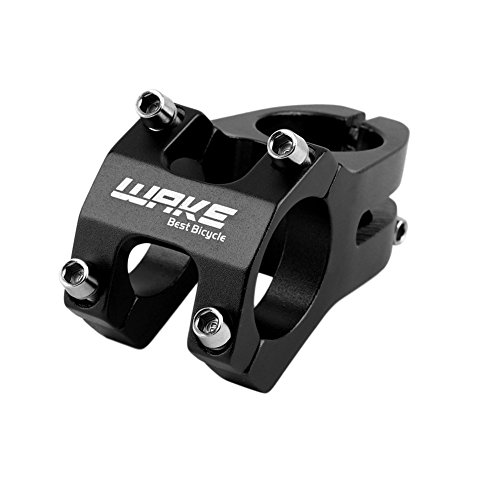
Handlebar diameter: 31.8 mm; tube diameter: 28.6 mm. Length: 45 mm. Weight: 130 g. Four-bolt bar clamp; CNC machined 6061 T6 aluminum alloy. Best for riders seeking a compact, versatile stem compatible with many bike types including road, MTB, and fixed gear.
Who it’s best for: riders needing a short, stable interface to preserve stack height while maintaining strength. Why selected: universal fit and robust clamp design ensure secure bar mounting.
Caution: slightly heavier than the ultra‑light options; consider overall bike weight goals.
FOMTOR 90mm 7° Light-Weight Stem

Angle: +/- 7 Degree. Handlebar diameter 31.8 mm; front fork stem diameter 28.6 mm. Length: 90 mm. Weight: 120 g. CNC machined 6061 T6 aluminum alloy. Best for riders wanting a longer reach without a major weight penalty.
Who it’s best for: riders who need more forward reach for relaxed riding or endurance setups. Why selected: the 90 mm option offers a balance between reach and light weight.
Caution: longer stems can alter steering feel at low speeds; verify cockpit geometry before committing.
Azarxis 80mm 7° Short Stem

Angle: +/- 7 Degree. Handlebar diameter 31.8 mm; front fork stem diameter 28.6 mm. Length: 80 mm. Weight: lightweight 6061 aluminum alloy construction. Four-bolt bar clamp for secure bar attachment. Best for riders seeking a balanced intermediate length with solid clamping power.
Who it’s best for: riders upgrading from shorter stems who want a dependable mid‑length option. Why selected: strong, durable construction with a four-bolt clamp ensures a firm grip on the handlebar.
Caution: ensure compatibility with brake and shifter cable routing on some frames.
Buying Guide: Keys To Choosing The Lightest Stem
What length should you choose?
Stem length affects cockpit reach and steering response. Shorter stems (45–60 mm) offer quicker handling and a compact position, while longer stems (70–90 mm) provide a stretched reach and relaxed riding posture. Match length to your riding style and bike geometry.
Why is weight important?
Stem weight contributes to overall bike mass, especially when climbing. Manufacturers use CNC machined 6061 T6 aluminum for strength with minimal weight. Consider weight in relation to durability and stiffness for your discipline.
Angle matters: 7° vs other options
Most listed stems use a 7° angle, which preserves a neutral rider position with improved steering response. An angle choice can influence handlebar height and reach; verify compatibility with your headset stack and spacers.
Material and build quality
All five stems use CNC machined aluminum. Look for solid clamp hardware, four-bolt bars, and consistent machining. A sturdy clamp reduces bar slip and improves steering precision during hard efforts or bumpy terrain.
Compatibility and installation tips
Ensure handlebar diameter is 31.8 mm and stem tube diameter is 28.6 mm. Verify your bike’s steerer tube angle and headset stack height before installation. For performance gains, torque specs should be followed per manufacturer guidelines to avoid damaging components.
Other considerations
Weight claims can vary with hardware and packaging. If you ride aggressively on rough terrain, prioritize stems with secure clamps and proven stiffness. Confirm that the stem does not interfere with container or brake line routing on your frame.
FAQ
-
What is the lightest road bike stem among these?
The FOMTOR 60mm 7° is among the lightest at about 115 g, emphasizing compact, weight‑sensitive setups.
-
Should I choose a longer stem for endurance rides?
Yes, a longer stem (70–90 mm) can improve rider positioning and reduce fatigue on long rides, but it changes steering feel and weight distribution.
-
Is a 7° angle suitable for all bikes?
Seven degrees is common and suits many road and MTB applications. Some riders prefer neutral or negative angles; check compatibility with your frame geometry.
-
Do I need a four‑bolt clamp?
Four bolts provide a more uniform clamp force and reduce bar slip, especially under hard efforts or rough terrain.